
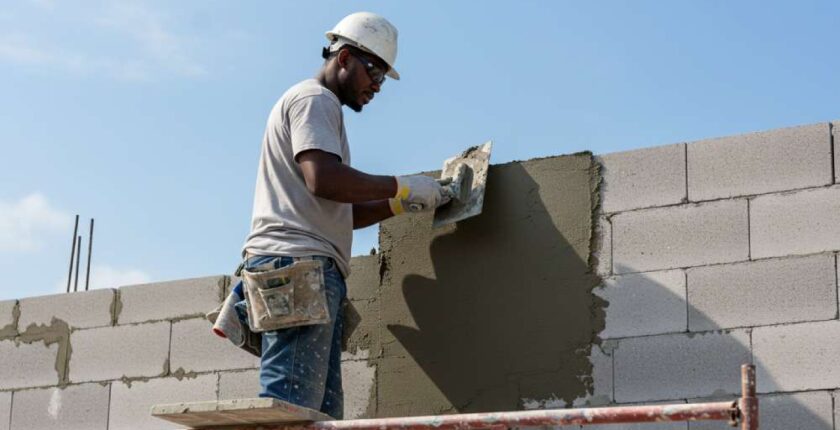
From Plumbing to Painting: A Complete Guide to Choosing the Right Fundi
Your home is your most valuable asset. Who you trust to work on it matters just as much as the work itself. Here’s how to find, vet, and manage skilled fundis — and never get burned again.
Every Kenyan homeowner has a story. It usually begins with a leaky pipe, a cracked ceiling, or a freshly painted wall that starts peeling three weeks after the fundi has disappeared with your money. Whether you live in a Nairobi apartment, a maisonette in Kiambu, or a coastal bungalow in Mombasa, navigating the world of fundis is one of the most practical — and often most frustrating — challenges of property ownership. But it doesn’t have to be.
The term “fundi” — derived from the Arabic word for expert or craftsman — covers an extraordinary range of skills in the Kenyan context. From the electrician rewiring your kitchen to the tile-layer transforming your bathroom, from the welder fabricating your gate to the painter giving your home a fresh face, these skilled tradespeople form the invisible backbone of our built environment. Knowing how to find, vet, and manage the right fundi for the right job can save you tens of thousands of shillings, months of frustration, and a great deal of heartache.
“A good fundi is not just someone who can do the job — it’s someone who shows up, does it right, and stands behind their work. That combination is rarer than you’d think.”
Know what kind of fundi you actually need
The first mistake most homeowners make is treating “fundi” as a single, interchangeable category. It is not. The skills required to fix a burst pipe are entirely different from those required to safely reroute electrical circuits — and hiring the wrong specialist wastes everyone’s time and often makes the problem worse.
Before you call anyone, be specific about the problem. Is it structural — walls, floors, the roof? Is it plumbing — water supply, drainage, or sanitation? Is it electrical — wiring, sockets, circuit breakers? Is it finishing work — painting, tiling, plastering, carpentry? Each domain has its own knowledge base, its own set of tools, and ideally its own qualified professional. Some fundis are genuinely multi-skilled, but be cautious of the one who claims to do everything equally well. True mastery in one trade is far more valuable than mediocrity across five.
Common fundi specialisations in Kenya
- Plumber — water supply, drainage, burst pipes, bathroom fitting, borehole connections
- Electrician — wiring, sockets, DB boards, security lighting, solar installations
- Mason / fundi wa ujenzi — brickwork, concrete, plastering, structural repairs, extensions
- Carpenter — doors, cabinets, furniture, roofing timber, window frames
- Painter — interior/exterior painting, texture finishes, waterproofing coatings
- Tiler / floor fundi — ceramic, porcelain, terrazzo, screed laying, waterproofing
- Welder — gates, grilles, structural steel, staircases, burglar-proofing
- Roofer — mabati sheets, box profiles, gutters, timber trusses, waterproofing
Where to find a reliable fundi
In Kenya, the most trusted referral network has always been personal — your neighbour’s recommendation, a friend’s contractor, the number your colleague saved after their renovation turned out beautifully. This is still the gold standard. A fundi who has done excellent work for someone you know and trust is worth ten strangers whose portfolios you’ve never verified.
Beyond word of mouth, several platforms have emerged specifically to connect homeowners with vetted tradespeople. Websites and apps like Lynk, Bestcare, and Buildmart have made it easier to browse verified profiles, read genuine reviews, and request quotes without having to make a dozen cold calls. Hardware stores — particularly the larger chains — often maintain informal lists of fundis who have worked with their regular customers and are known to the staff. These under-the-counter recommendations are frequently more useful than any online listing.
If your job is part of a larger construction or renovation project, consider working through a registered contractor who will manage the team of fundis on your behalf. This adds a layer of accountability and shifts some of the scheduling and quality control responsibility away from you — for a fee, but one that is often worth it on complex jobs.
The art of the interview and quote
Once you have two or three names, treat the process like a job interview — because it is one. Before anyone lifts a tool, you want to understand their experience, their process, and their professionalism. Ask to see photos or visit a completed project similar to yours. Ask for references and actually call them. Ask how long the job will take and what the payment structure looks like. A good fundi will welcome these questions. A poor one will be evasive, rush you into a decision, or quote suspiciously low to win the job and inflate the cost later.
On quotations: always get at least three. Not because you should automatically pick the cheapest — you absolutely should not — but because the spread between quotes tells you something important. If two quotes cluster around a similar figure and one is dramatically lower, that outlier is almost certainly cutting corners somewhere, either on materials, on labour, or both. The quote itself should be itemised: materials, labour, and timeline should all be broken out separately. Any fundi who quotes you a single round number and refuses to itemise deserves your suspicion.
Six rules before any work begins
- Get three quotes minimum — Comparing bids reveals market-rate pricing and exposes suspiciously low offers that signal shortcuts.
- Ask for itemised quotes — Materials and labour should be listed separately. A single lump sum makes disputes nearly impossible to resolve.
- Verify past work — Photos are easy to fabricate. Physically visit a completed project or call a previous client directly.
- Put it in writing — A simple written agreement covering scope, cost, timeline, and payment stages prevents most disputes before they start.
- Never pay in full upfront — A reasonable deposit (20–30%) is normal. The bulk of payment should come in stages tied to completed milestones.
- Withhold a final payment — Reserve 10–15% until the job is fully complete and you’ve inspected the work. It’s your most powerful lever.
The payment structure that protects you
More Kenyan homeowners lose money on fundis due to poor payment structure than for any other reason. The pattern is depressingly familiar: a large upfront payment is made, the fundi starts the job, disappears mid-way through, and suddenly becomes unavailable. The antidote is a structured payment schedule tied directly to work milestones, not to calendar dates.
A sensible structure for most medium-to-large jobs looks like this: 20 to 30 percent upfront as a deposit to cover initial materials and mobilisation. A second tranche — perhaps 40 percent — on reaching an agreed midpoint, such as completion of rough work. A further payment on substantial completion. And a final retention of 10 to 15 percent held for two to four weeks after the job is done, to cover any defects or snagging items that emerge once you’re living with the finished work. This final retention is your single most powerful tool for ensuring quality. Use it.
“The moment you hand over the full amount, your leverage disappears entirely. Always, always hold something back until the work has been inspected and signed off.”
Materials: who buys them, and why it matters
One of the less discussed but critically important decisions in any home project is who supplies the materials. There are two models: the fundi supplies everything and bills you a bundled amount, or you purchase the materials yourself and pay the fundi for labour only. Each has its merits and its risks.
When the fundi supplies materials, you are exposed to mark-up, to substitution of inferior-grade products, and to a lack of transparency about what was actually used. When you supply materials yourself, you retain full control over quality and cost — but you also take on the logistical burden of sourcing, transporting, and storing everything. A middle path that many experienced homeowners favour is to supply the key, high-value materials yourself — paint, tiles, pipes, electrical cable — and allow the fundi to procure smaller consumables like cement, sand, and hardware, with receipts provided.
Red flags that should send you running
Experience teaches homeowners to read the warning signs early. None of the following guarantees disaster, but each should give you serious pause before committing your money and your home to someone’s care.
- Requests a large cash payment upfront with no written agreement
- Cannot provide references from recent, verifiable clients
- Quotes are vague, verbal only, or refuses to itemise costs
- Becomes aggressive or dismissive when you ask questions
- Arrives with a large crew and asks you to pay all of them directly
- Starts work without agreeing on scope, then charges for extras
- Frequently unavailable or unresponsive after work begins
- Pressures you to decide immediately or risk losing their availability
Managing the relationship on-site
Hiring the right fundi is only half the job. How you manage the relationship while work is underway matters just as much. Be present — or have a trusted representative present — especially in the early stages of a job. Not to micromanage, but to signal that you are paying attention, that you have standards, and that problems should surface early rather than be buried under fresh plaster.
Communicate clearly and in writing wherever possible. WhatsApp has become the de facto project management tool for most small-to-medium jobs in Kenya, and it has the substantial advantage of creating a written record of instructions, change requests, and agreements. If you make a decision verbally on-site, follow it up with a message. That message could save you an expensive argument later.
Establish a clear process for handling variations — changes to the original scope. Every change should be agreed on in writing before work proceeds, with any cost implication noted. “Variations” are one of the most common sources of disputes on construction projects of all sizes. The principle is the same: no work outside the agreed scope without a written, costed agreement.
When things go wrong
Despite your best efforts, things sometimes go wrong. A fundi disappears mid-job. Work is completed to a standard well below what was discussed. Materials you paid for seem to have evaporated. Knowing your options before you’re in that situation makes a difficult experience significantly less overwhelming.
Start with direct communication — calmly, clearly, and in writing. Set out the specific problem and what you need done to resolve it. Many disputes resolve at this stage, particularly if you still hold a retention payment. If direct resolution fails, Kenya has small claims court jurisdiction for disputes up to Ksh 200,000, and the Magistrates’ Court handles larger amounts. Document everything: photos, messages, receipts, and the original agreement. For larger construction projects, the National Construction Authority (NCA) provides a framework and dispute resolution mechanism for registered contractors. It is always worth checking whether your fundi or contractor is NCA-registered before work begins — it gives you additional recourse if things deteriorate.
Building your personal network
The homeowners who sleep best at night are not those who never have problems — they are those who have a trusted network of fundis they can call when problems arise. Building that network is a slow, deliberate process. When you find a plumber who shows up, does the work properly, and charges fairly, guard that number like it is precious. When a painter leaves your walls looking better than you imagined, ask for their card and give it to three friends.
The best fundis in Kenya are almost never sitting idle, looking for work. They are busy, referred constantly by happy clients, and often booked weeks in advance. Your job is to become the kind of client that good fundis want to work for: clear in your requirements, fair in your payment, respectful on-site, and reliable in your referrals. That reputation — and the network it builds — is worth more than any single job done well.
A practical starting point: Before your next home project, write down exactly what you need done in plain language. Define the outcome, not just the task. Then call three people — not one — for quotes. Ask each one the same questions. Compare not just the price, but the confidence they inspire, the specificity of their answers, and whether they treat your time with respect. The right fundi will stand out. They always do.